
Grace
In our America, we have to build it ourselves

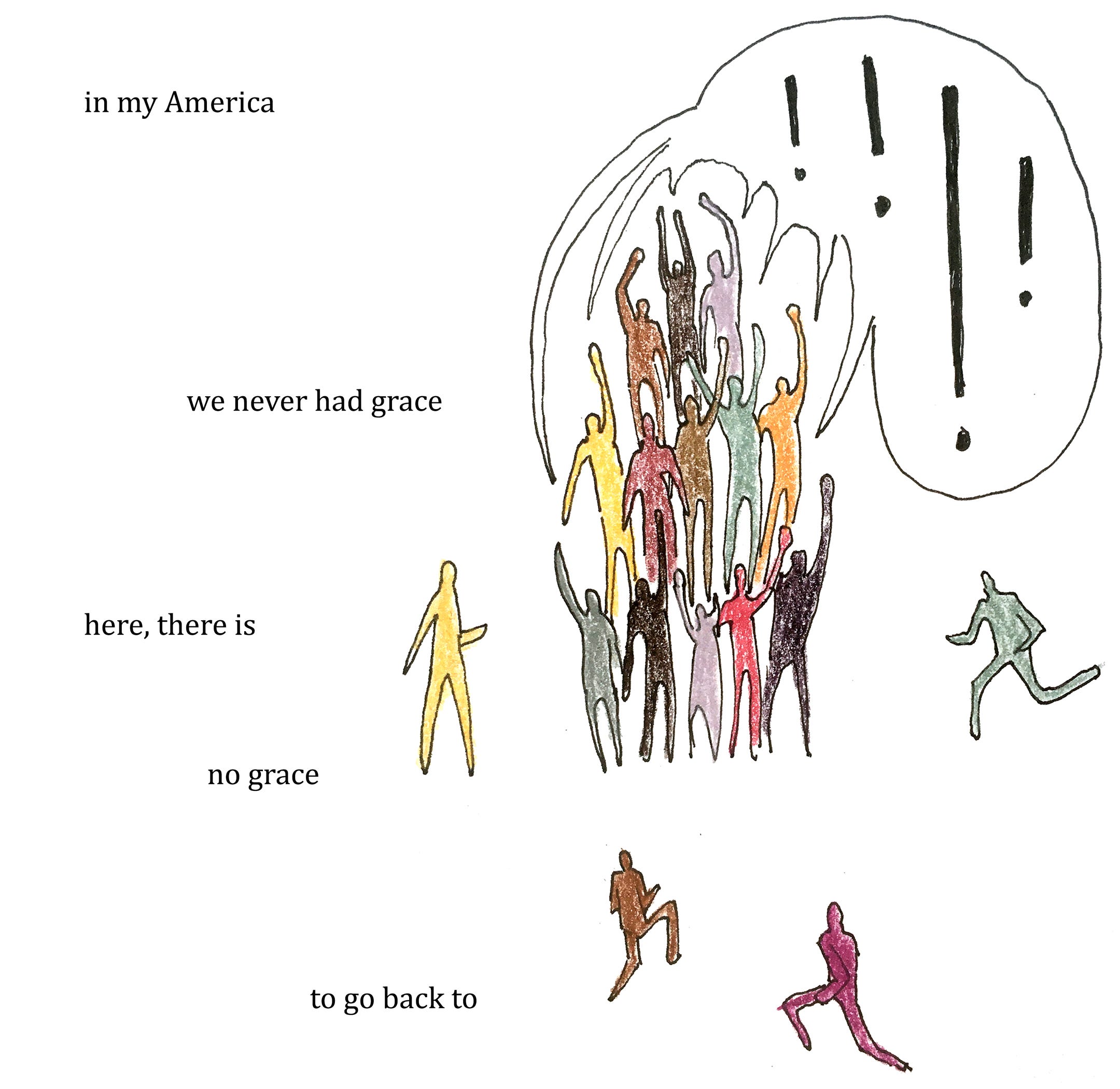
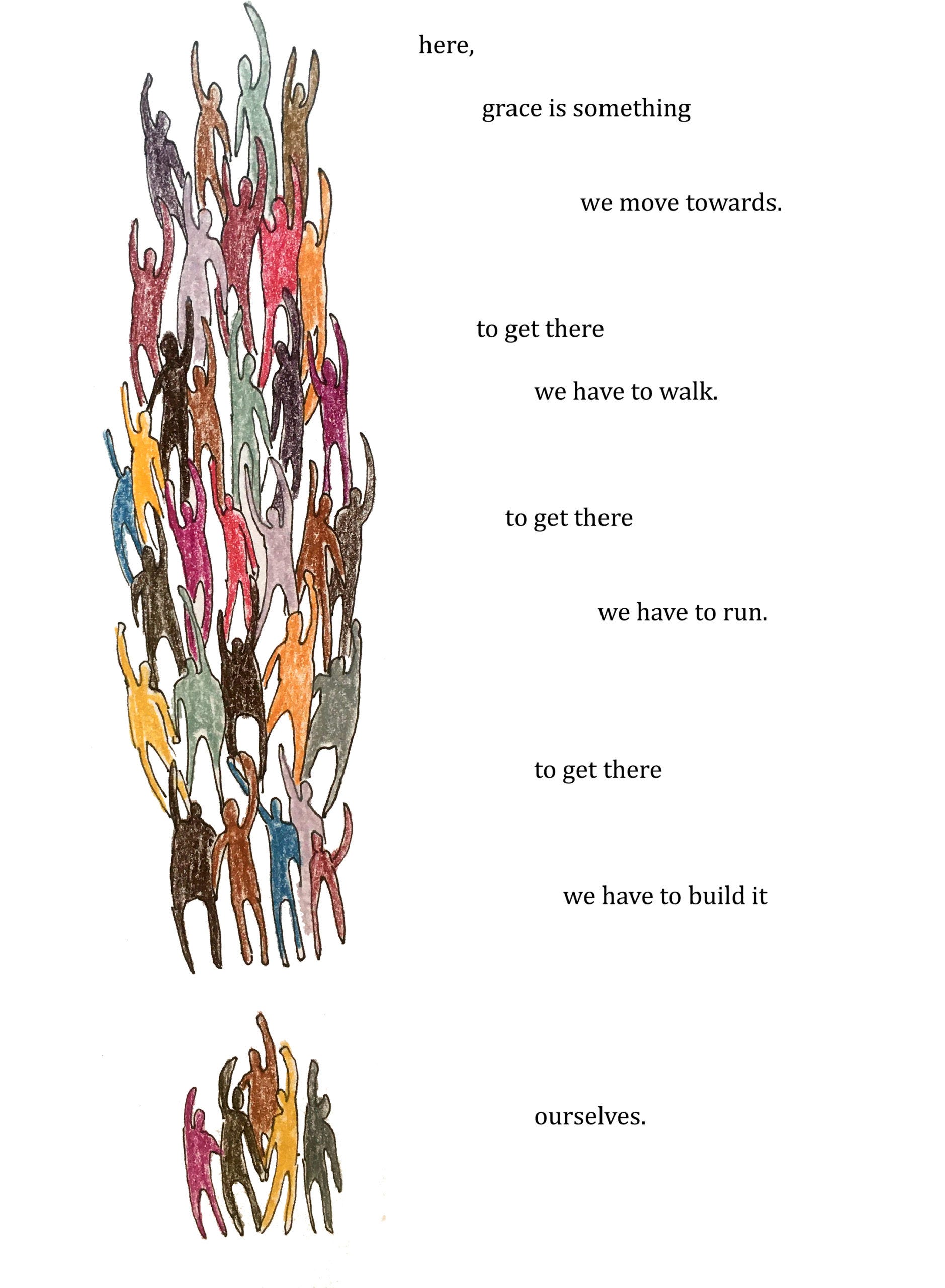
I don’t think I need to tell anyone that we are living through a horrific time. With ICE and CBP murdering, assaulting, and kidnapping people in Minneapolis and elsewhere—so far with no real accountability—it feels like a good time to resurface this comic I drew back when police officers in Minneapolis murdered George Floyd. Like the murders of Renee Good and Alex Pretti, Floyd’s tragic and brutal death unfolded on camera. And like recent federally-sanctioned brutalities on the streets and in detention centers, it forced many of us to face something very old and very dark that is tightly woven into the fabric of our country’s making.
May we rise to meet the latest iteration of that darkness with a clear vision of a more just future, and no illusions about what America has been in the past, or what it is now. This comics poem is called “Grace.” It originally appeared in The Last Word on Nothing on June 10, 2020:
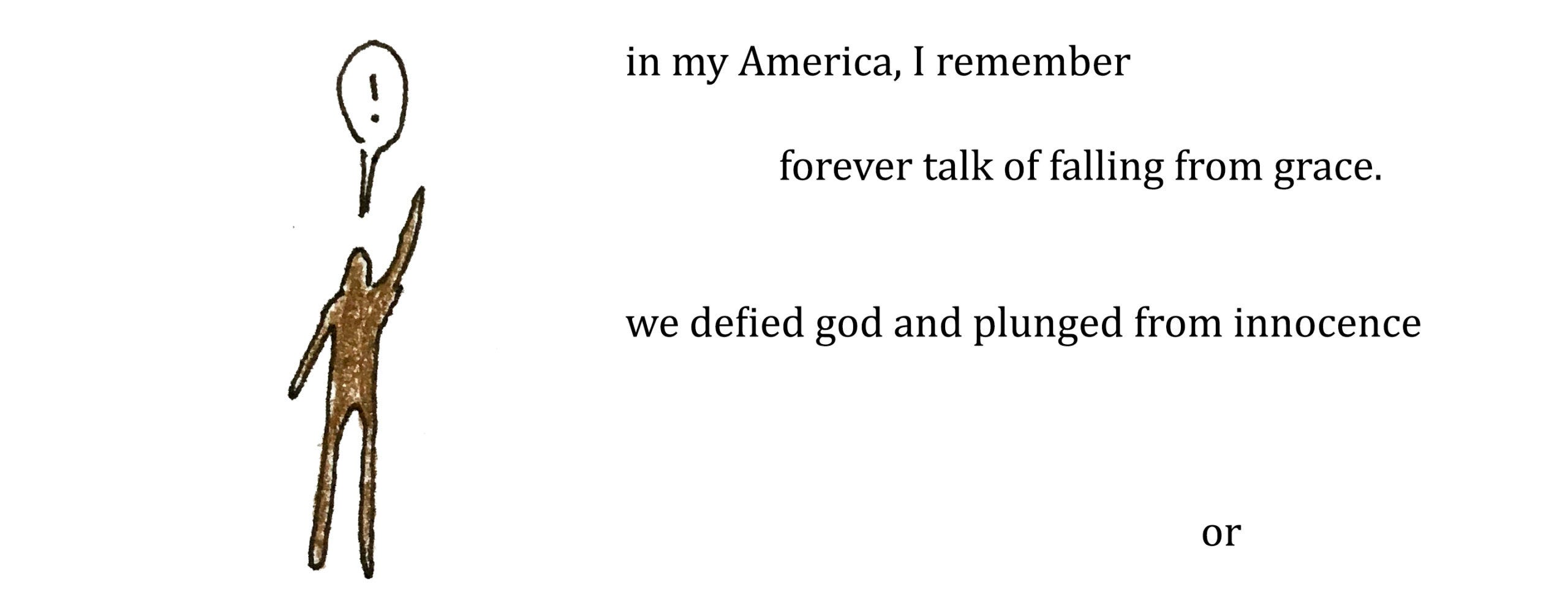
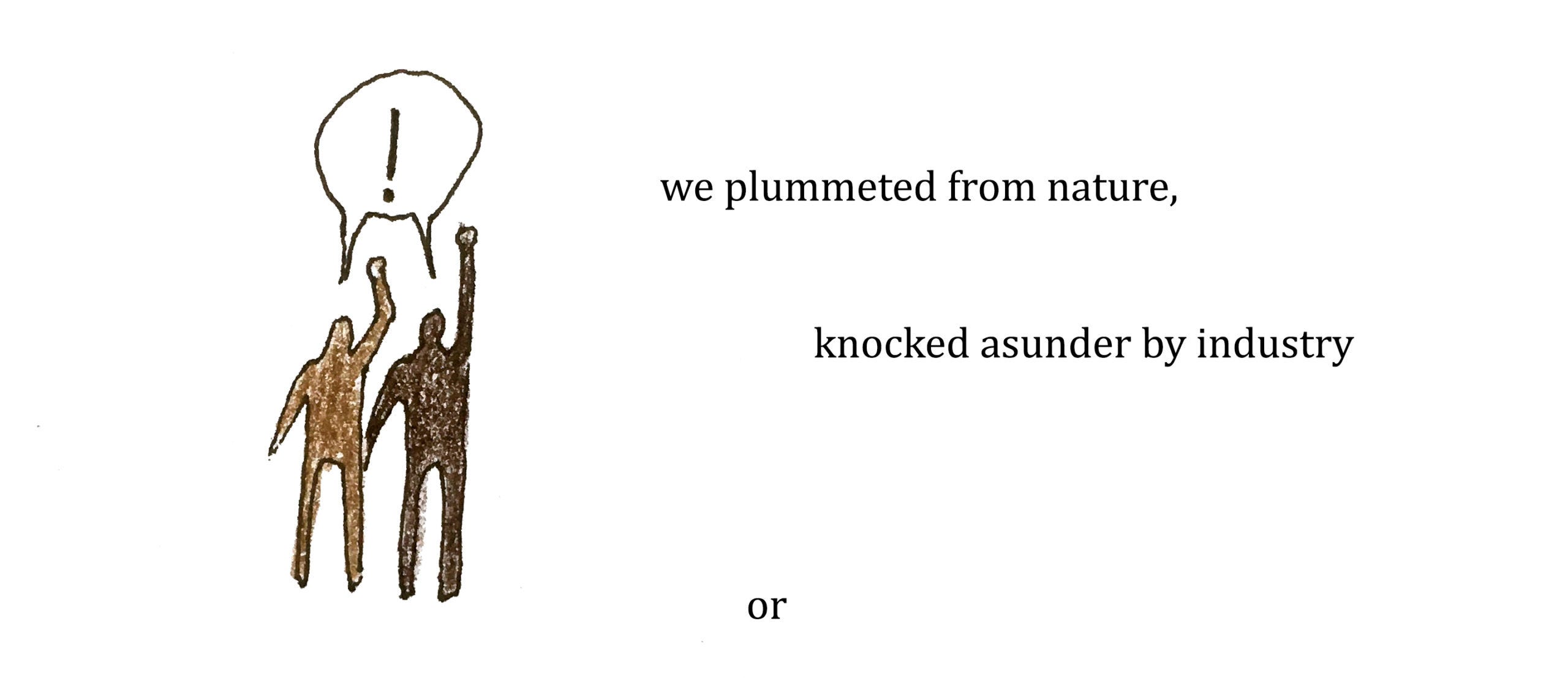
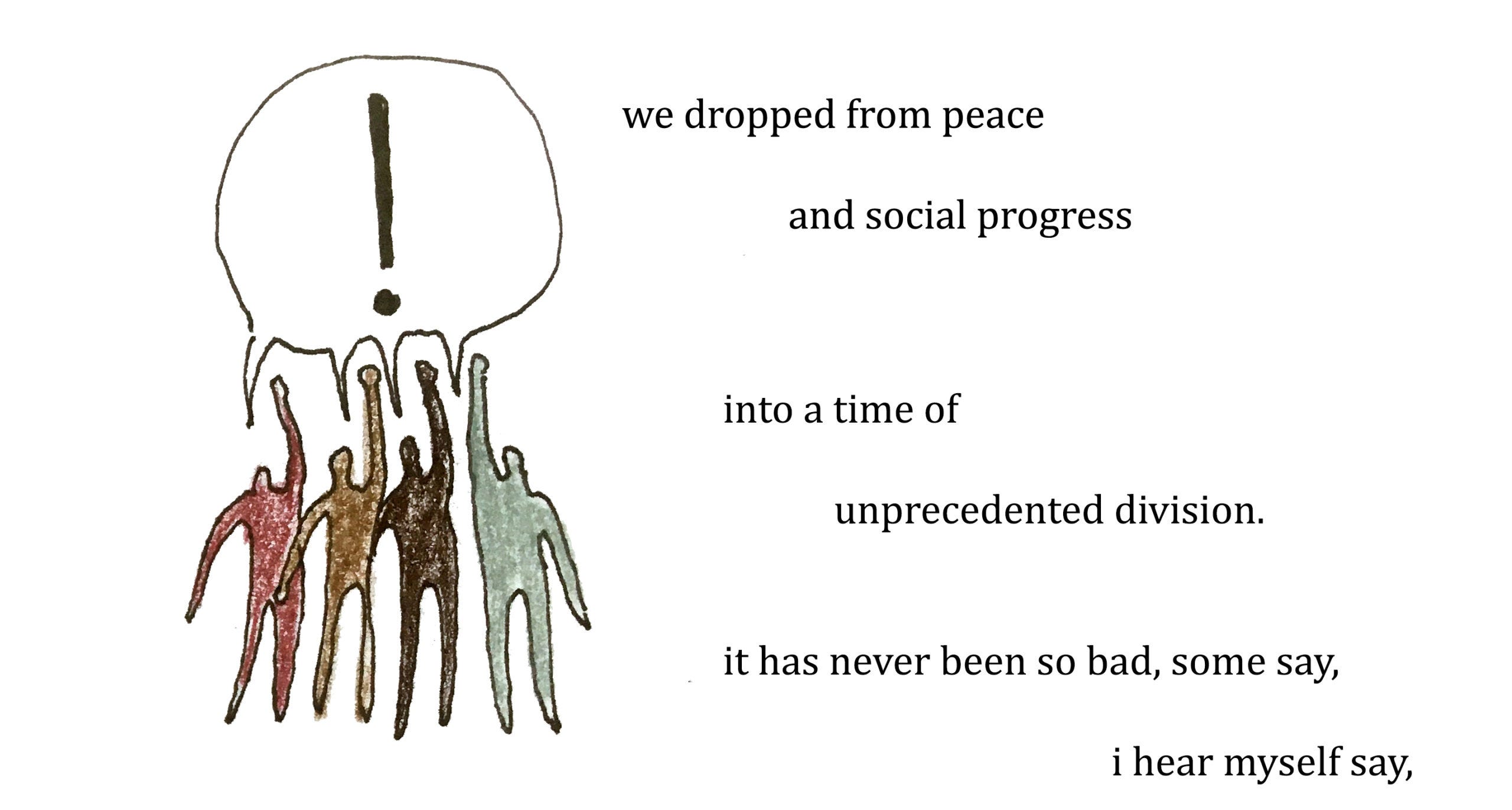
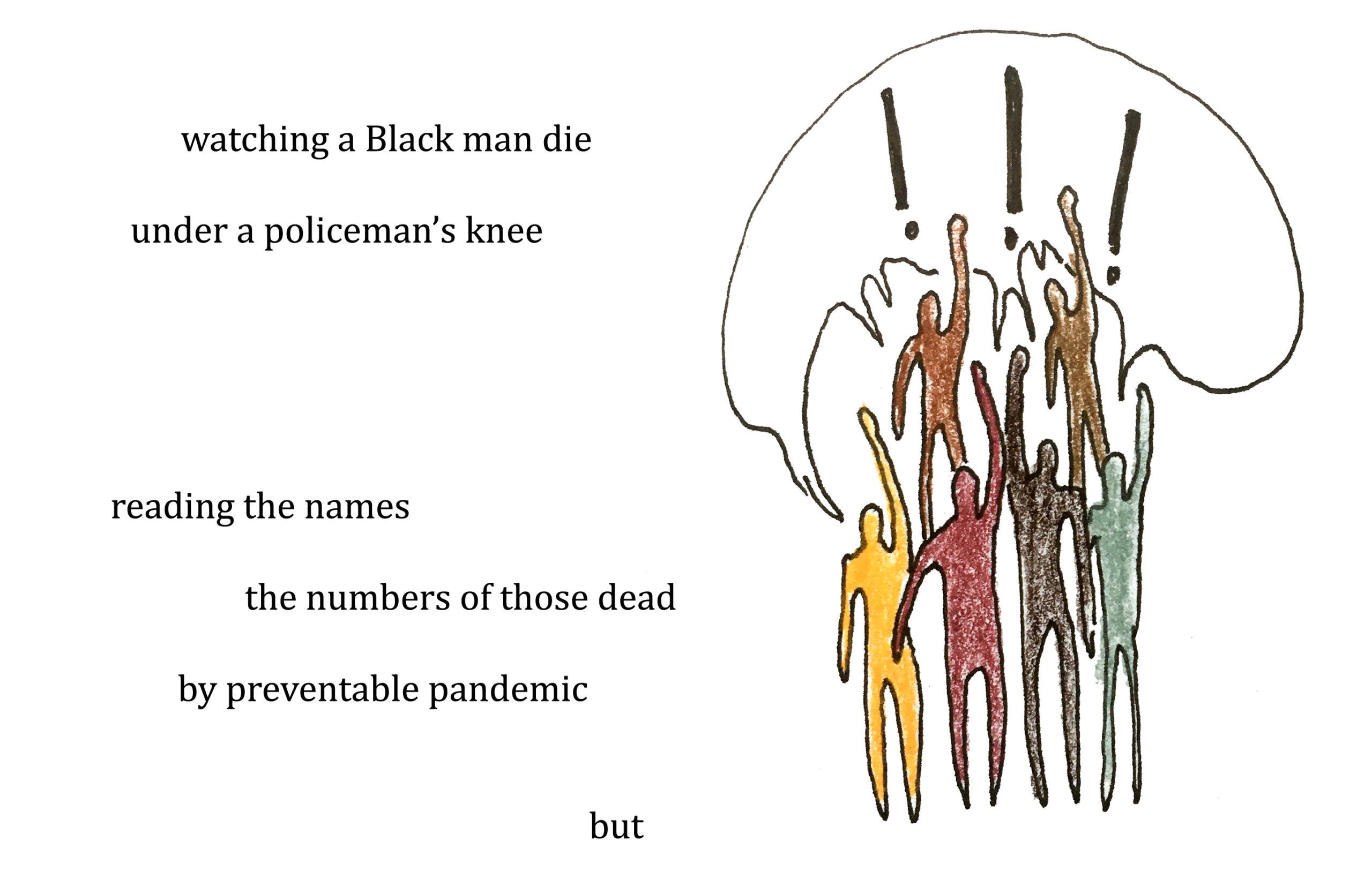
Also, how about a little RECOMMENDED READING?
There are some pretty incredible works of illustrated nonfiction and literary nonfiction that I think are worth picking up right now, for the wisdom they impart from other times and other places.
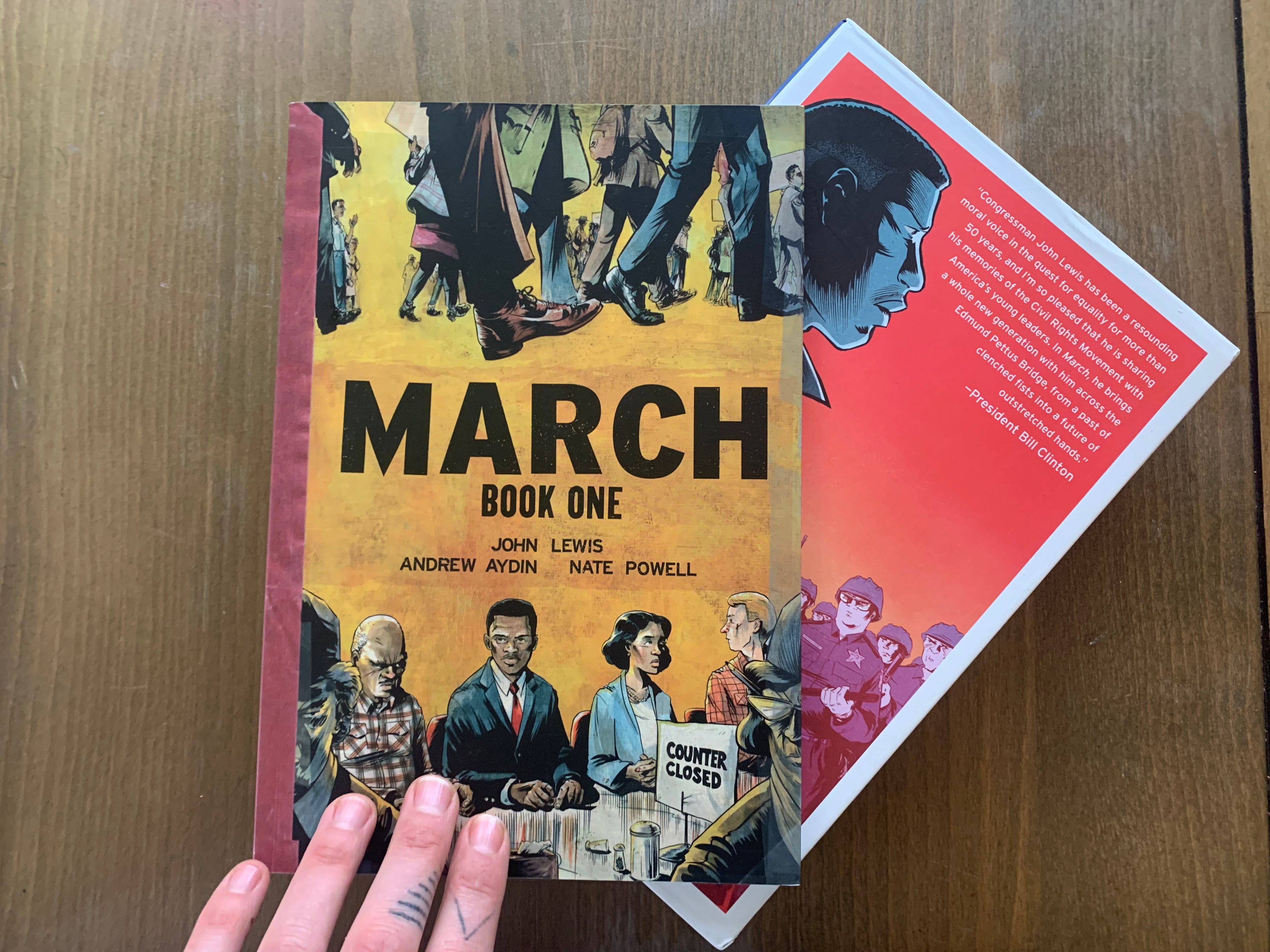
First and most heartily, MARCH, the National Book Award-winning three part memoir-in-comics of the late civil rights activist and US Congressman John Lewis, written by Lewis with Andrew Aydin, and illustrated by Nate Powell. The scope is enormous—the arc of the Civil Rights Movement told through the life and memories of an extraordinary person—so I won’t dilute it by flailing to sum it up here. Suffice it to say: Yes, we have been here before, and worse. And yes, things could still get so much worse. But more importantly, the trilogy shows that the fight for justice is generational, and sustained work and vigilance is what leads to substantive, lasting wins. People are incredibly powerful when they unite for a cause and keep showing up; when they are willing to be uncomfortable, or even in grave danger, to build something better; and when those with privilege are willing to risk themselves to help those who are more vulnerable.
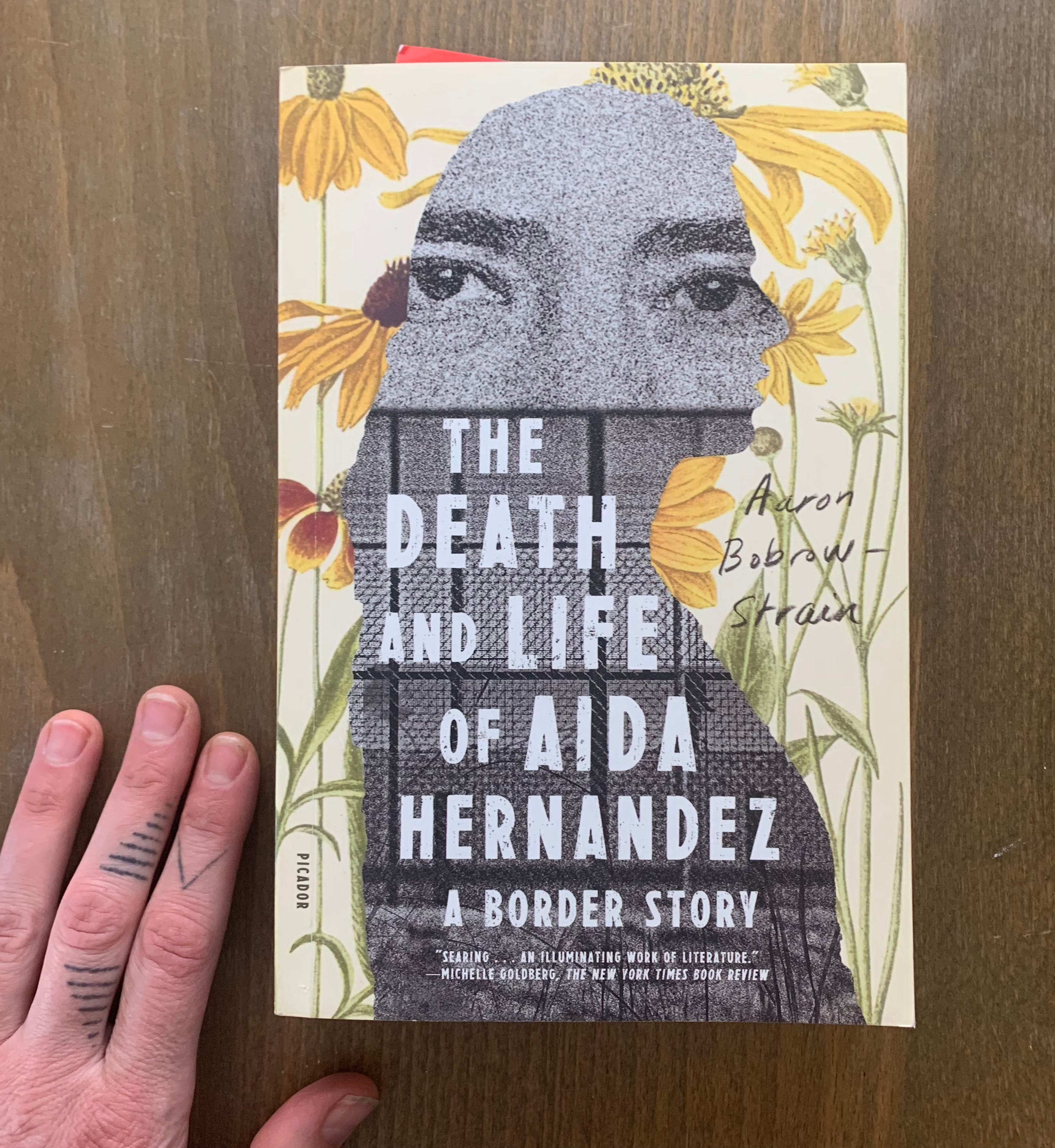
Second, Washington State Book Award-winner The Death and Life of Aida Hernandez: A Border Story, a work of literary nonfiction (sorry, no drawings here) by Aaron Bobrow-Strain. If you think the deep cruelty we’re seeing in current U.S. immigration and border policy are brand new, think again. This book tells the story of a young woman caught up in our deeply-fucked detention system after a violent attack nearly kills her, back when Barack Obama was still president. Reckoning with this current moment will require reckoning with how we got here, and how long and brutal that path has been. This book is a good place to start.
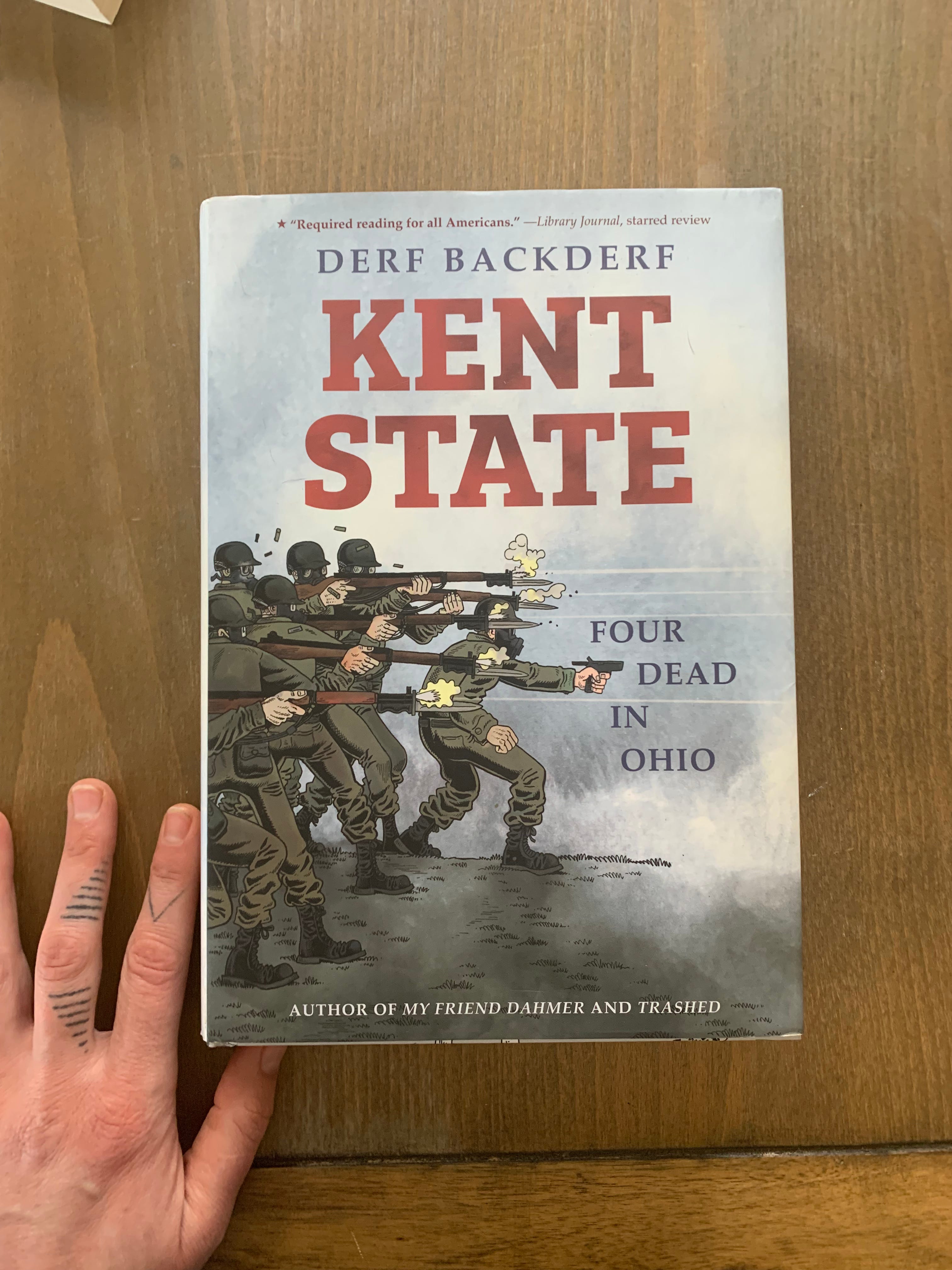
Third, Kent State: Four Dead in Ohio, an Eisner Award-winning, exhaustively-researched historical comic by Derf Backderf. This is a eye-opening, disturbing, and richly-detailed account of the events leading up to the Ohio National Guard murdering and maiming several students at Kent State University, both protesters and bystanders. It’s basically a case study of how deep paranoia can lead government officials, their followers, and those under their command to demonize regular people and turn on them with chilling results, and no accountability. Again, we have been here before.
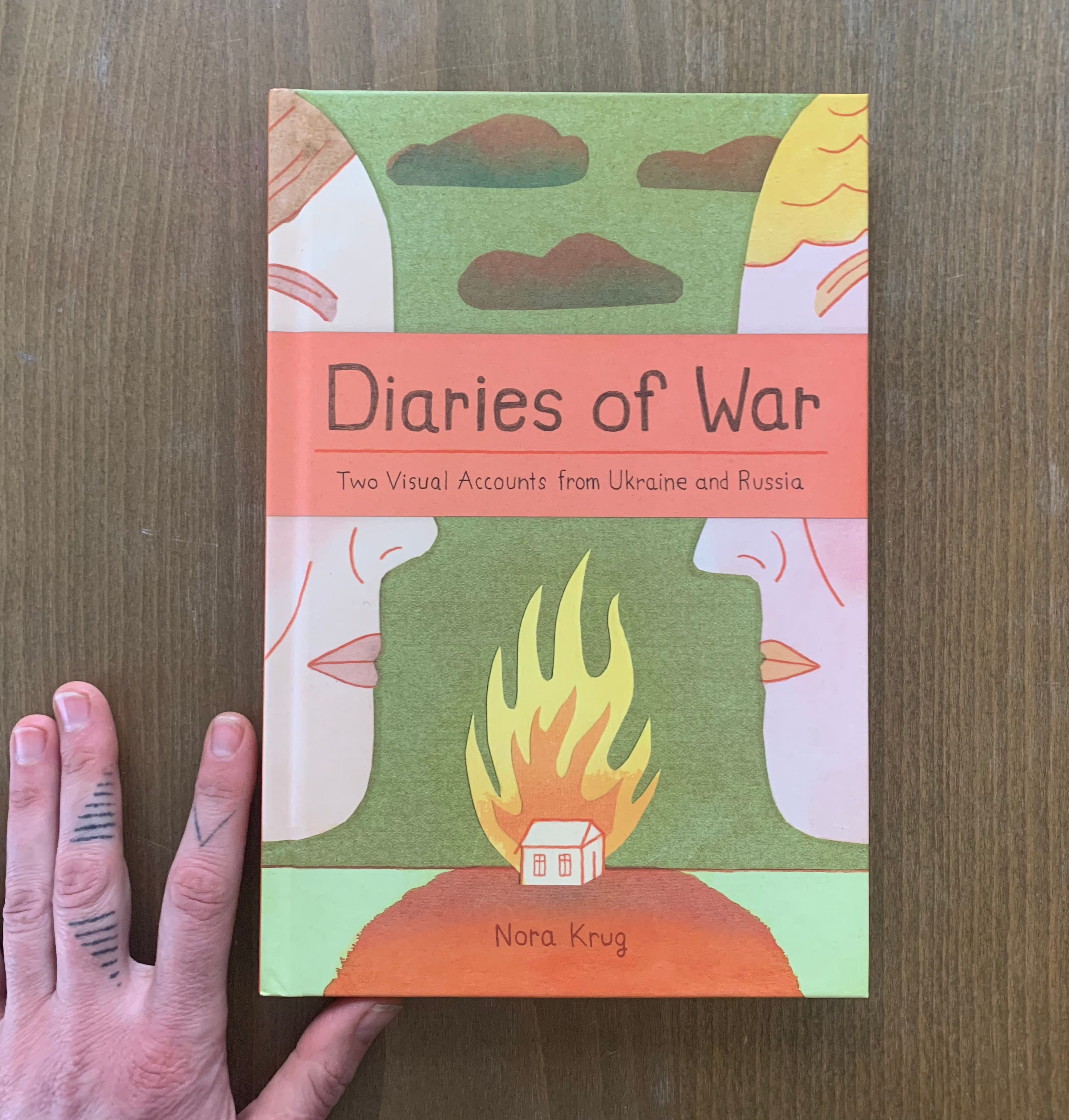
Fourth, Diaries of War: Two Visual Accounts from Ukraine and Russia, by Nora Krug. Krug tells the story of Russia’s unfolding war of aggression in Ukraine by illustrating letters from two anonymous correspondents over the course of a year—a Ukrainian journalist she calls K, and a Russian artist she calls D. This book is powerful because it shows how ordinary lives move inside and alongside unspeakable violence and historic events. The cognitive dissonance within these accounts will feel familiar to anyone struggling to meet their day to day triumphs and challenges while also trying to be of use and act with purpose amid myriad local, national, and global crises.
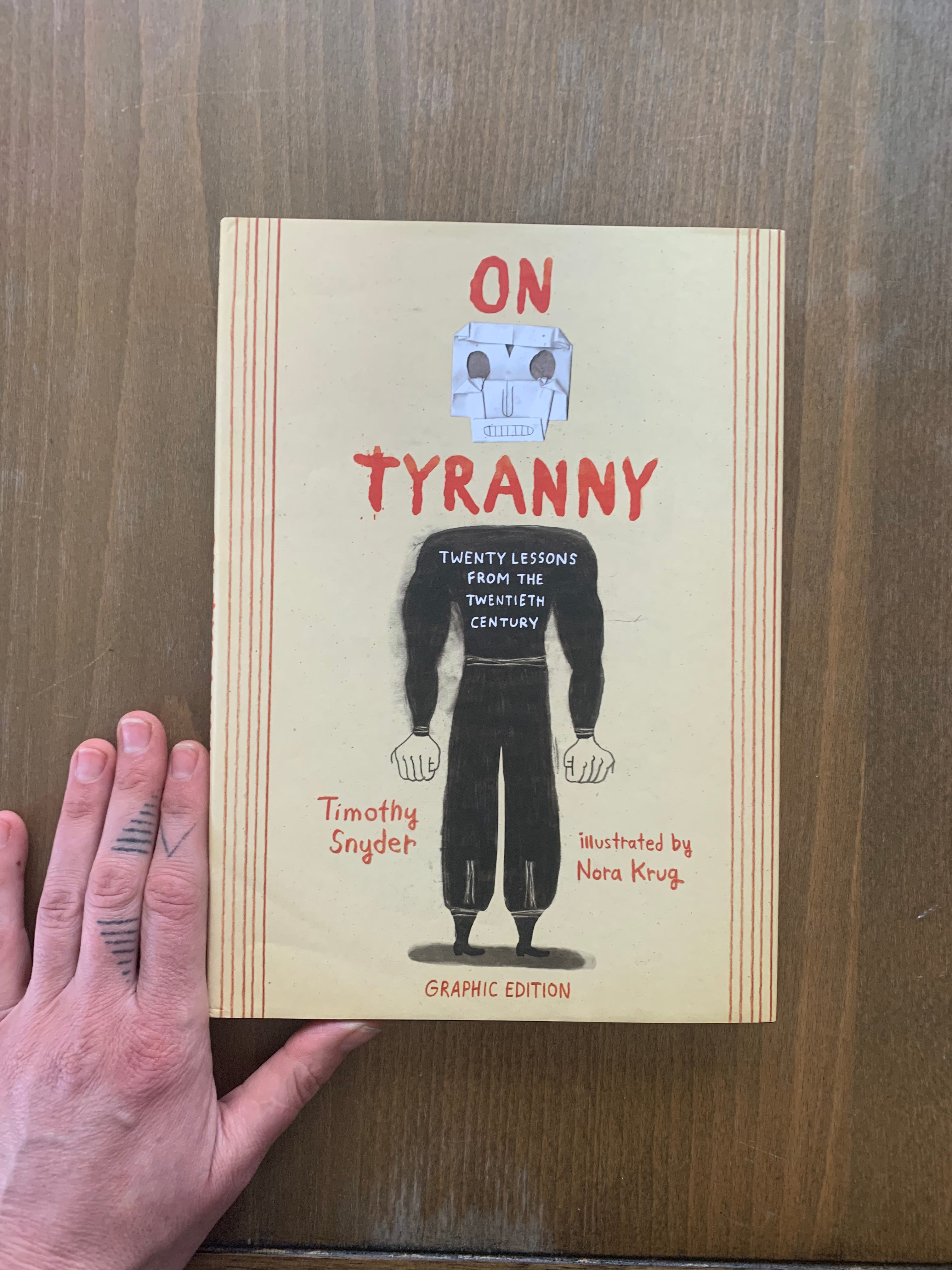
Fifth, I am surely the umpteenth person to recommend historian Timothy Snyder’s indispensable On Tyranny: Twenty Lessons from the Twentieth Century. This book is just what it sounds like—a guide for fighting the rise of authoritarianism and staying human in the face of inhumanity. But this version is extra good because it’s gorgeously illustrated by Nora Krug.
Each of these books has educated me on what people of conscience are up against and how we can respond; I hope you’ll find something you need in them as well. And in the meantime, may we all take heart in the people of Minneapolis, and the ways they are showing up for one another right now. Perhaps they’re lighting the way forward for all of us.
Great poem, great book recommendations, great message overall.
Thank you, Sarah, for reminding us that we have been here before and that merely turning the clock back will bring right back here again. Yes, we must build it ourselves.